1. Introduction
Hermes, one of the world’s most renowned luxury brands, is a beacon of timeless elegance and unparalleled craftsmanship. Founded in 1837, the brand’s journey from a Parisian harness workshop to a global powerhouse is marked by a steadfast commitment to quality, innovation, and tradition. This summary explores Hermes’s rich history, highlighting key milestones, strategic decisions, and the brand’s enduring appeal to professional investors.
2. Origins and Early History
Founding and Early Years
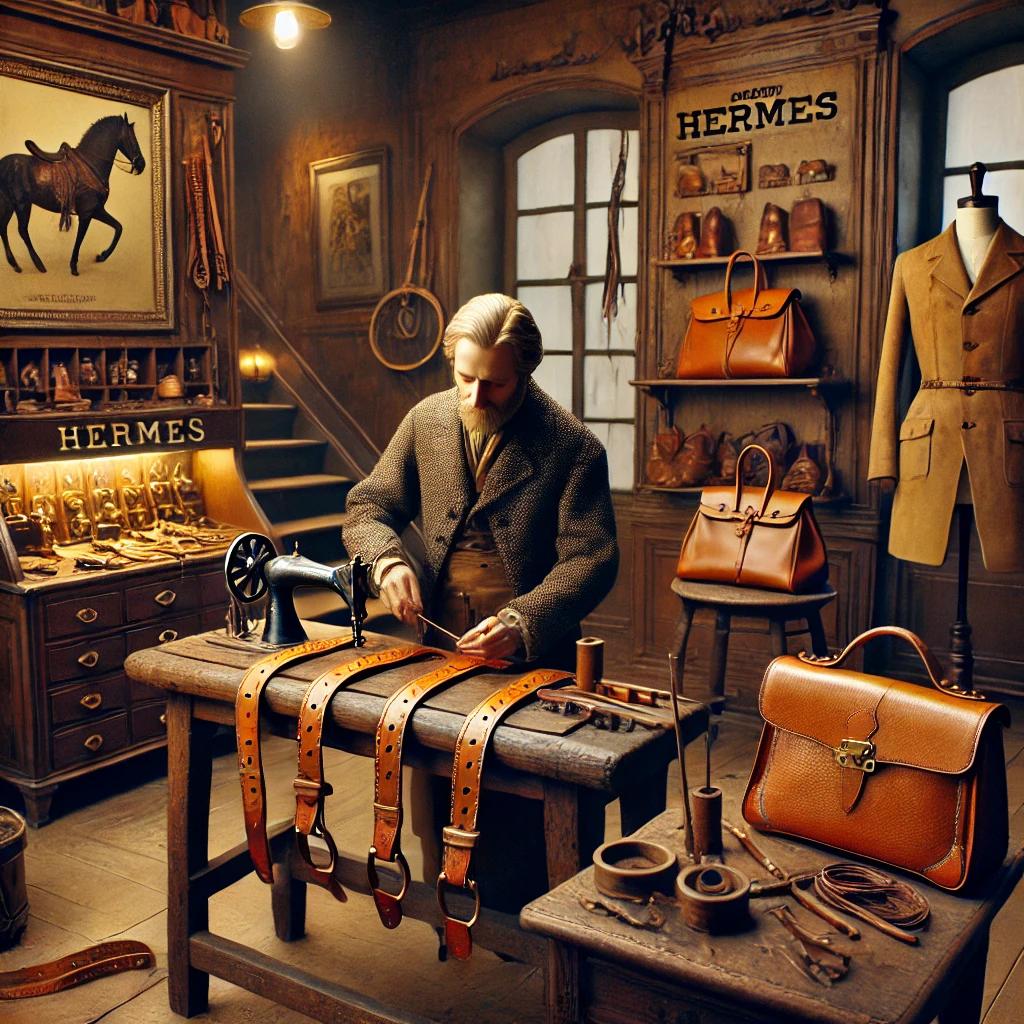
Hermes was established in 1837 by Thierry Hermes in Paris, France. Originally a harness workshop, the company catered to European noblemen, creating high-quality bridles, harnesses, and other equestrian accessories. Thierry’s meticulous craftsmanship quickly earned Hermes a reputation for excellence, laying the foundation for its future success.
Craftsmanship and Quality
From its inception, Hermes emphasized superior craftsmanship. Each piece was handmade using the finest materials, a tradition that continues today. This dedication to quality established Hermes as a purveyor of luxury goods, attracting a discerning clientele that valued functionality and aesthetics.
Impact of Napoleon’s Era
The rise of Napoleon Bonaparte had a significant impact on Hermes’ early success. As Napoleon sought to modernize and expand his empire, the demand for high-quality equestrian equipment grew. Hermes’ reputation for exceptional craftsmanship positioned the company to capitalize on this increased demand, cementing its status within the upper echelons of society.
3. Expansion and Growth
Transition to Saddles
Charles-Emile Hermes, Thierry’s son, expanded the company’s product line to include saddles. This strategic move broadened Hermes’ appeal and allowed the company to cater to a wider range of equestrian needs. The introduction of saddles marked the beginning of Hermes’ evolution from a niche workshop to a more diversified luxury brand.
Innovative Products
One of Hermes’s early innovative products was the Haut à Courroies bag, designed to carry equestrian gear. This bag, which featured a spacious design and robust construction, laid the groundwork for Hermes’ future success in the luxury handbag market. The company’s ability to anticipate and meet the needs of its clientele was a key factor in its growth.
4. Modernization and Global Recognition
Emil Hermes and International Expansion
Under Emil Hermes’s leadership, the company expanded its reach internationally. Emil’s travels to the United States during World War I exposed him to industrial innovations, such as Henry Ford’s assembly line. While Hermes remained committed to handcrafted quality, Emil incorporated some production efficiencies to enhance the company’s operations.
The Zipper Innovation
Emil Hermes is credited with introducing the zipper to France. After securing an exclusive two-year license, Hermes became the first company to use zippers in clothing and accessories. This innovation showcased Hermes’ commitment to functionality and positioned the brand as a forward-thinking leader in the luxury market.
Robert Dumas and Artistic Influence
Robert Dumas, who married into the Hermes family, brought a new artistic flair to the brand. In 1937, he introduced the first silk scarves, which became iconic symbols of Hermes’ elegance and creativity. Dumas also designed whimsical window displays and embraced vibrant colours, including the now-famous Hermes orange.
5. Iconic Products and Cultural Impact
The Kelly Bag
Originally named the Sac à dépêches, the Kelly bag gained worldwide fame when Princess Grace Kelly of Monaco was photographed using it to hide her pregnancy from the paparazzi. Renamed in her honour, the Kelly bag epitomizes sophistication and timeless style. Its structured design and impeccable craftsmanship make it one of the most coveted handbags in the world.
The Birkin Bag
Another iconic Hermes product is the Birkin bag, created in collaboration with actress Jane Birkin. Known for its spacious design and luxurious materials, the Birkin bag symbolizes status and exclusivity. The meticulous process of creating each Birkin bag, which involves skilled artisans and extensive waiting lists, adds to its allure.
Silk Scarves
Introduced by Robert Dumas, Hermes’ silk scarves became a staple of French fashion. Each scarf is a work of art featuring intricate designs and vibrant colours. The scarves are screen-printed by hand, with each colour requiring a separate stencil. This painstaking process ensures that each scarf is a unique masterpiece.
6. Brand Philosophy and Business Strategy
Commitment to Craftsmanship
Hermes’ dedication to handcrafted products remains a cornerstone of its brand philosophy. Each item, from handbags to scarves, is created by skilled artisans using traditional techniques. The saddle stitch, a hallmark of Hermes craftsmanship, exemplifies the brand’s attention to detail and commitment to quality.
Family Leadership and Tradition
Hermes has remained under family control for six generations. This continuity ensures that the brand’s values and traditions are preserved. Family members apprentice in the workshops, learning the craft firsthand and gaining a deep understanding of the business. This hands-on approach fosters a strong connection to Hermes’ heritage.
Rejection of Mass Production
In a market driven by efficiency and scale, Hermes stands apart by rejecting mass production. The company’s unique selling points are its prioritization of exclusivity and quality over volume. Each product is made in limited quantities, enhancing its desirability and maintaining the brand’s prestige. This strategy has proven effective in attracting high-net-worth individuals who value uniqueness and craftsmanship.
7. Challenges and Resilience
1970s Struggles
The 1970s presented significant challenges for Hermes. Changing fashion trends and cultural shifts led to a decline in the brand’s popularity. The rise of casual fashion and a new emphasis on democratization affected the demand for traditional luxury items. However, Hermes demonstrated resilience and adaptability in the face of these challenges.
Consultant Recommendations
During this period, consultants advised Hermes to modernize and adopt mass production techniques. However, the company chose to stay true to its roots, rejecting these recommendations to maintain its commitment to quality and craftsmanship. This decision, while risky, ultimately preserved the brand’s identity.
Jean-Louis Dumas’ Leadership
Jean-Louis Dumas, who took over as CEO in 1978, revitalized Hermes by focusing on innovation within the framework of tradition. He introduced new product lines and expanded the company’s global presence. Dumas’ leadership ensured that Hermes remained relevant while staying true to its core values.
8. Contemporary Era
Axel Dumas and Sustainable Growth
Axel Dumas, the current CEO and a sixth-generation family member, continues to guide Hermes, focusing on sustainable growth. Under his leadership, the company has expanded its offerings while maintaining its commitment to craftsmanship and quality. Hermes’ strategic approach emphasizes responsible growth and long-term value.
Modern Products and Innovations
In recent years, Hermes has introduced new product lines, including ready-to-wear clothing, jewellery, and home goods. These additions reflect the brand’s ability to innovate while preserving its heritage. Hermes also embraces sustainability, with initiatives to reduce environmental impact and promote ethical practices.
Global Market Position
Hermes’ dedication to quality and exclusivity has solidified its position as a leader in the global luxury market. The brand’s ability to navigate economic fluctuations and maintain steady growth highlights its resilience. Hermes continues to attract a loyal customer base that values its timeless elegance and superior craftsmanship.
9. Financial Performance and Investor Insights
Recession Resilience
Hermes’ business model, centred on high-net-worth individuals and exclusivity, provides a buffer against economic downturns. The brand’s products, perceived as investment pieces, retain value even during recessions. This resilience makes Hermes an attractive option for investors seeking stable returns.
Market Strategy
Hermes’ market strategy focuses on creating a sense of scarcity and maintaining high-quality standards. By producing limited quantities of each item, the brand enhances its desirability and ensures that demand consistently outstrips supply. This approach not only drives sales but also reinforces Hermes’ position as a purveyor of luxury.
Future Prospects
Looking ahead, Hermes is well-positioned to continue its legacy of excellence. The brand’s commitment to innovation and sustainability and its rich heritage provide a strong foundation for future growth. Investors can expect Hermes to remain a symbol of timeless luxury, attracting discerning customers and delivering consistent value.
10. Conclusion
Summary of Key Points
Hermes’ history is a testament to the enduring appeal of quality, craftsmanship, and tradition. From its origins as a harness workshop to its status as a global luxury brand, Hermes has navigated challenges and embraced opportunities with a steadfast commitment to excellence.
Investment Appeal
For professional investors, Hermes represents a unique and valuable asset. The brand’s ability to maintain prestige, innovate with tradition, and deliver stable financial performance makes it a compelling investment.